![]() |
![]() |
![]() |
![]() |
![]() |
![]() |
![]() |
![]() |
![]() |
![]() |
![]() |
![]() |
![]() |
![]() |
![]() |
![]() |
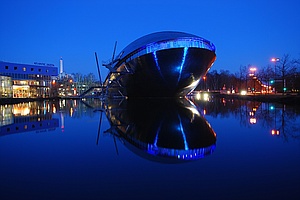
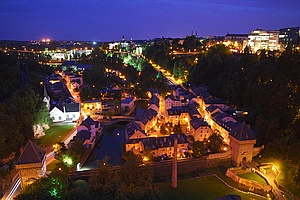
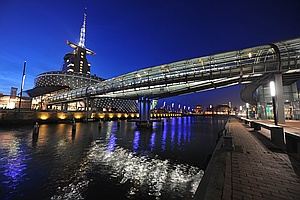
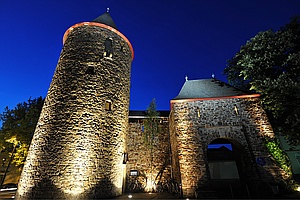
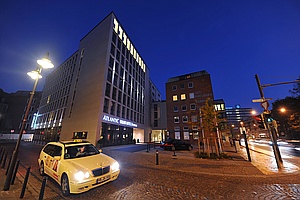
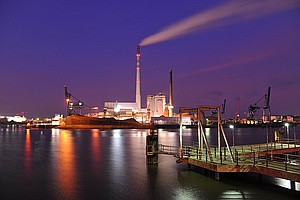
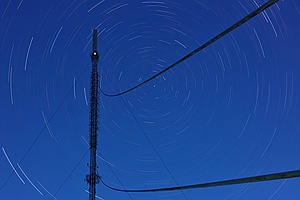
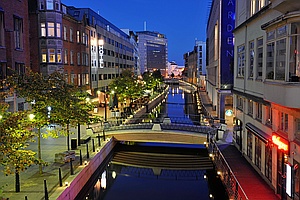
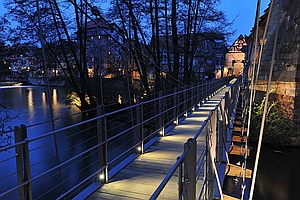
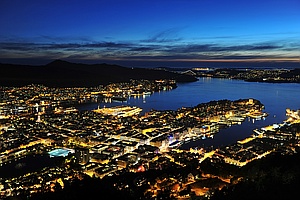
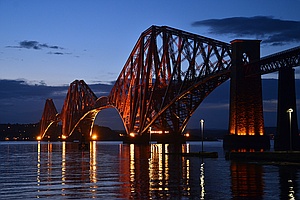
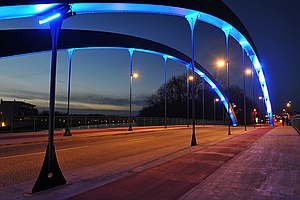
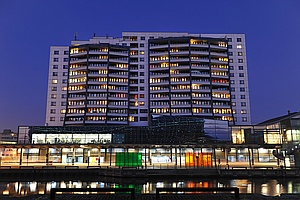
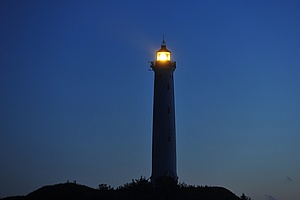
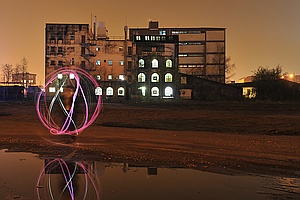
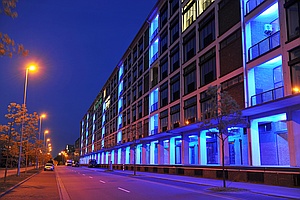
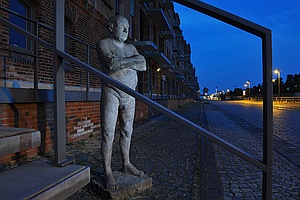
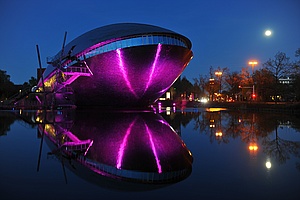
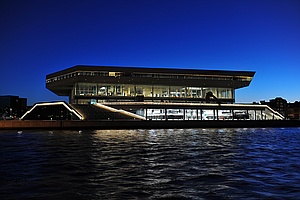
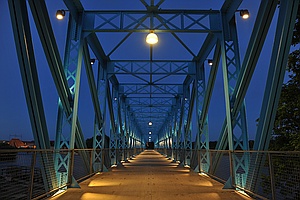
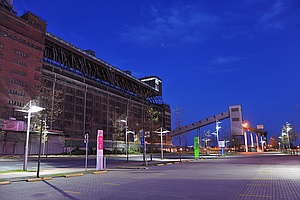
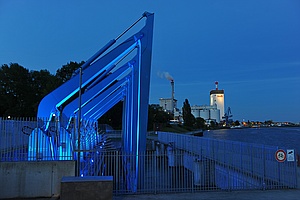
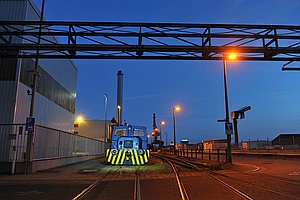
Lens used: Nikkor 17-55mm 1:2.8. Camera used and photographic details on page exif data.
![]() |
![]() |
![]() |
![]() |
![]() |
![]() |
![]() |
![]() |
![]() |
![]() |
![]() |
![]() |
![]() |
![]() |
![]() |
![]() |
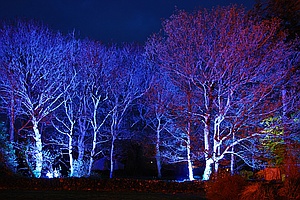
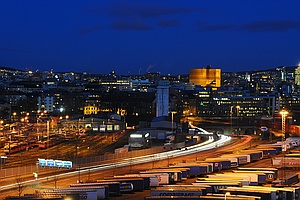
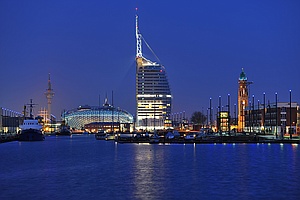
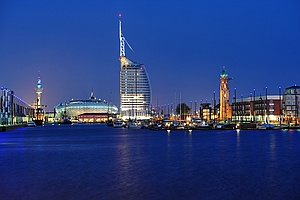
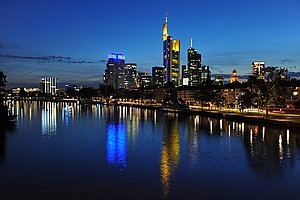
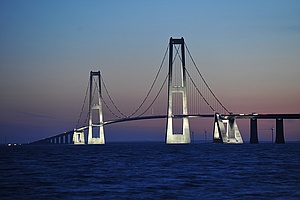
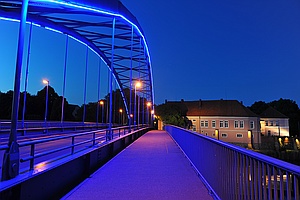
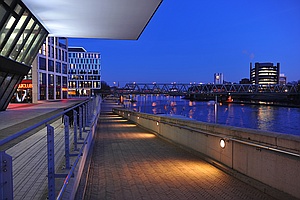
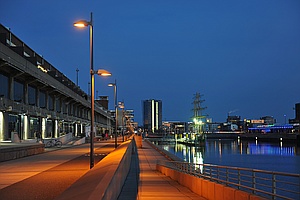
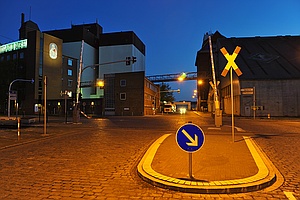
Camera used: Nikon D700. Lens used: Nikkor 24-70mm 1:2.8 or Nikkor 14-24mm 1:2.8 (marked WIDE-ANGLE in the text below the images). More photographic details on page exif data.
![]() |
![]() |
![]() |
![]() |
![]() |
![]() |
![]() |
![]() |
![]() |
![]() |
![]() |
![]() |
![]() |
![]() |
![]() |
![]() |
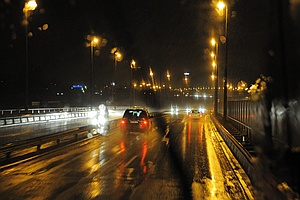
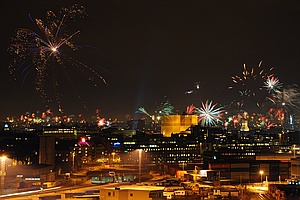
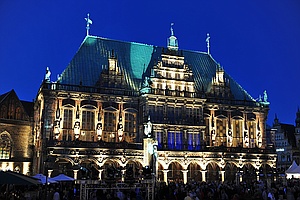
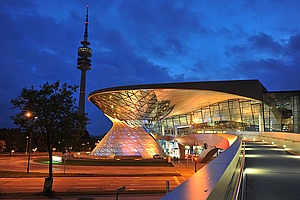
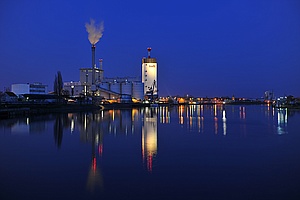
Camera used: Nikon D700. Lens used: Nikkor 24-70mm 1:2.8 or Nikkor 14-24mm 1:2.8 (marked WIDE-ANGLE in the text below the images) or Nikkor 70-200mm 1:2.8 (marked TELEPHOTO). More photographic details on page exif data.
![]() |
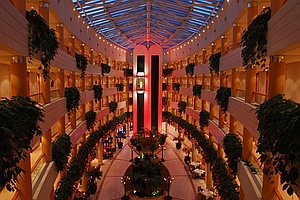
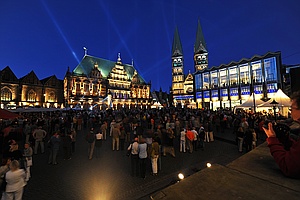
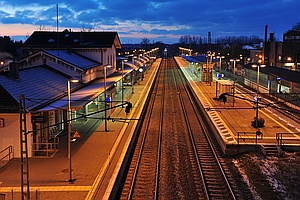
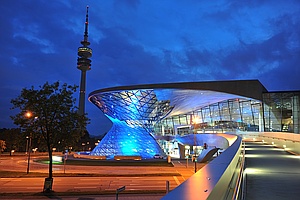
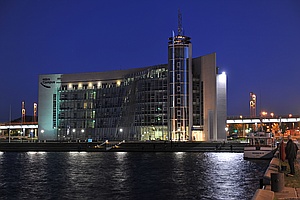
Camera used: Nikon D700. Lens used: Nikkor 24-70mm 1:2.8. More photographic details on page exif data.
Images copyright 2006 - 2012 by G.W.Schnell. All rights reserved.
There are other image series containing night photographs, e.g. Nürnberg. View also a few midnight photographs.
The blue color of the daylight sky is caused by Rayleigh scattering in the atmosphere.
Rayleigh scattering occurs on particles much smaller than the wavelength of electromagnetic radiation hitting the particle. The molecules (N2, O2, etc.) in the earth's atmosphere are about 1000 times smaller than the wavelength of visible light and thus cause scattering of sunlight. Since Rayleigh scattering is inversely proportional to the fourth power of the wavelength, more light of shorter wavelengths (violet and blue) is scattered than light of longer wavelengths (red and orange).
That's why the daylight sky is blue and, to a lesser degree, green.
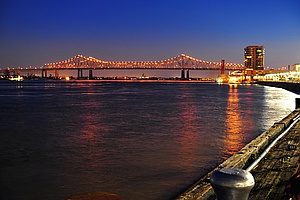
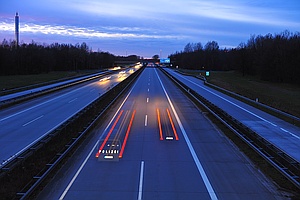
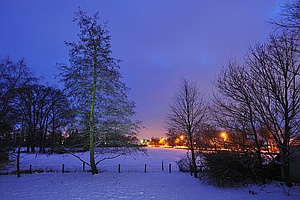
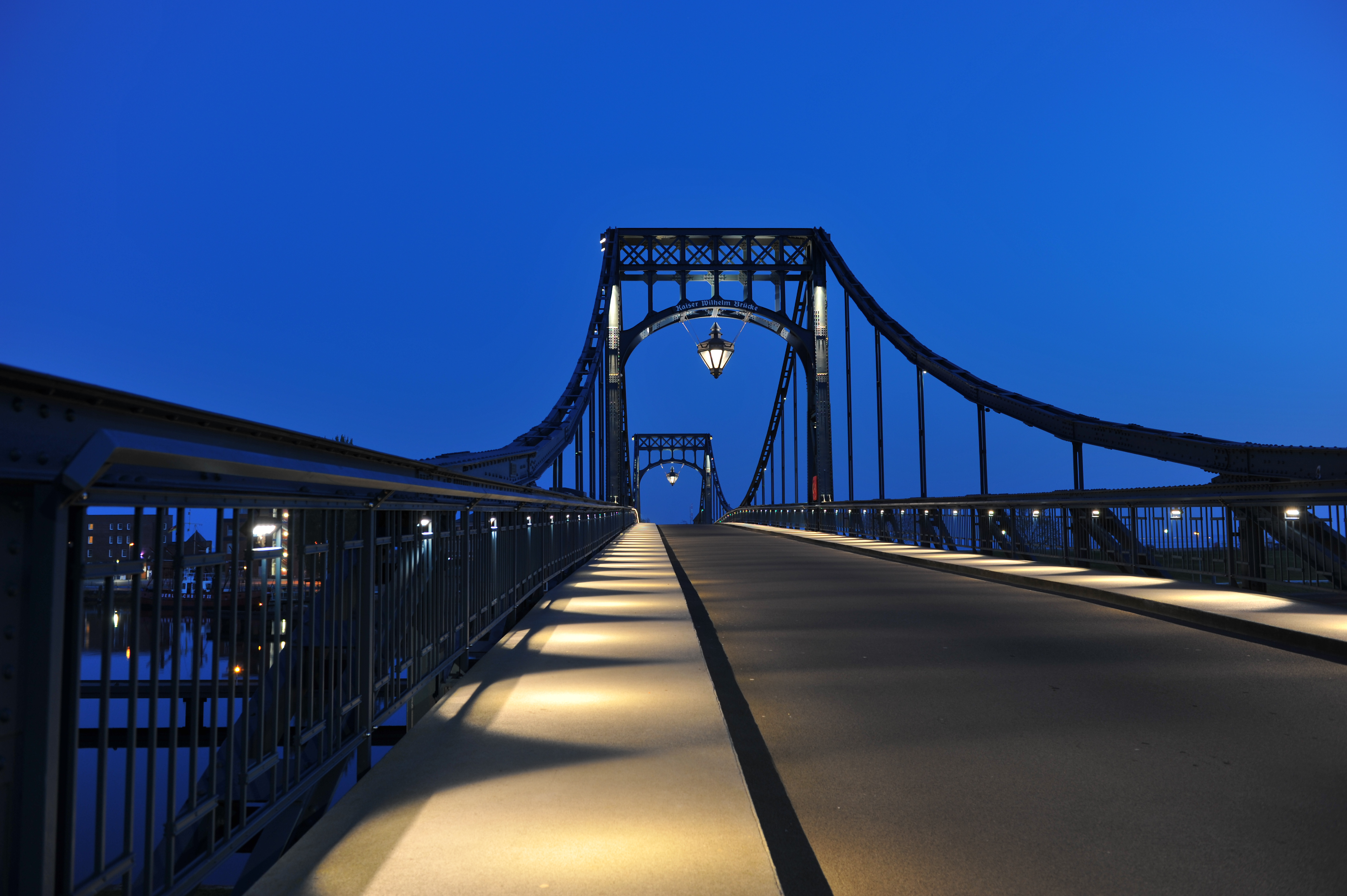
The deep blue color of the twilight sky has a different reason. It is caused by Chappuis absorption[1] of orange light in the ozone layer of the earth.
After sunset and before sunrise, sunlight traverses a long way through the stratosphere. Along its path, more and more light in a broad band of wavelengths around 600 nm, i.e. orange light, is absorbed by ozone. This process, photodissociation of ozone in the Chappuis band, splits the ozone molecule: O3 + light → O + O2. The ozone loss in this process is balanced by the process O + O2 → O3.
Light of shorter wavelengths, i.e. blue light, is not absorbed. After orange light has been filtered out, blue light remains. Due to Rayleigh scattering, this blue light becomes visible on earth. The filtering effect of Rayleigh scattering somewhat increases the pureness of the blue light.
That's why the twilight sky is more blue than the daylight sky.
1. Brion et al. Absorption Spectra Measurements for the Ozone Molecule in the 350-830 nm Region